
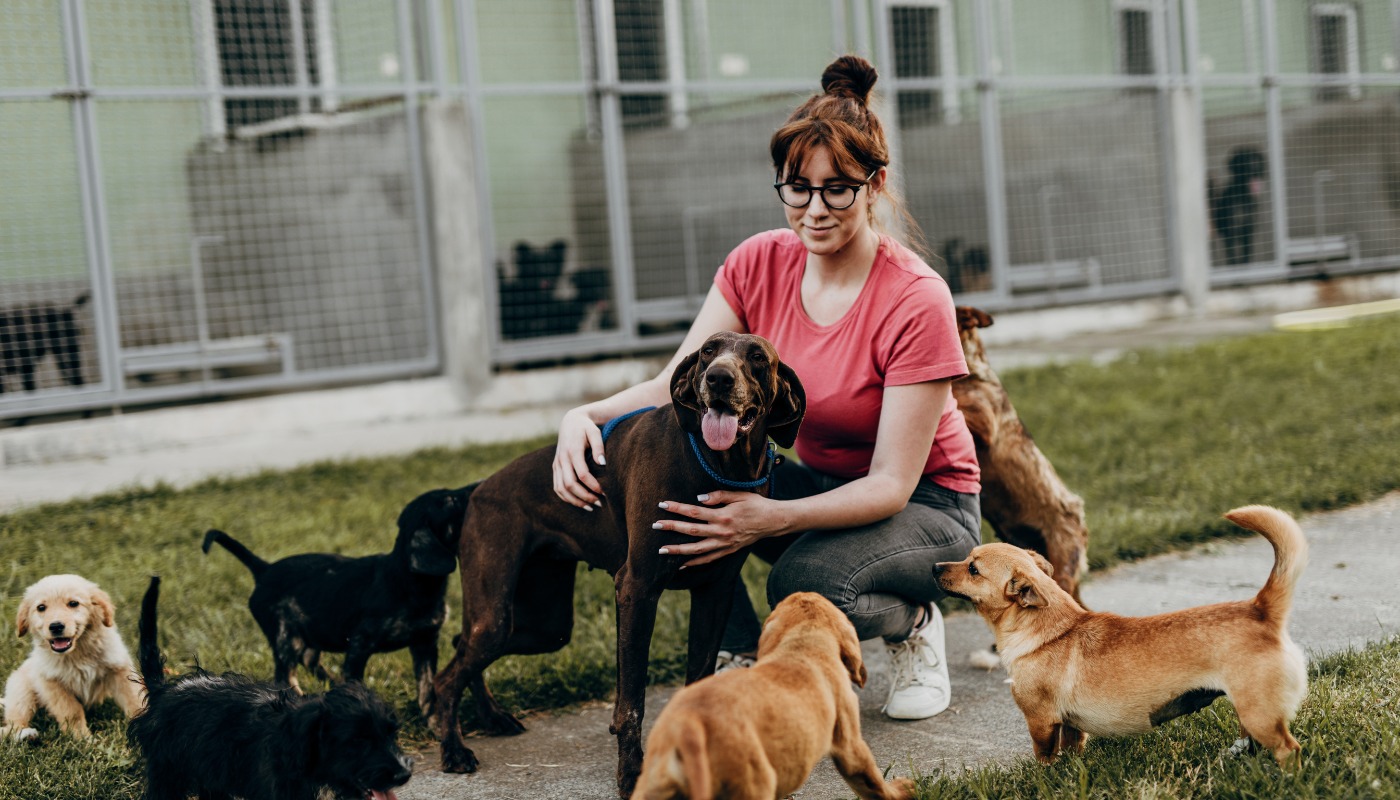
Canine Parvovirus (CPV): Prevention Through Proper Cleaning and Disinfection
Canine parvovirus type 2 (CPV-2) is a highly contagious and serious disease that attacks the gastrointestinal tract of puppies, dogs, and wild canines. First identified in 1978, it’s now seen worldwide and can also damage heart muscle in very young and unborn puppies. Canine parvovirus can survive in the environment for months to years, making thorough decontamination essential.
How is Parvovirus Spread?
CPV-2 spreads through direct dog-to-dog contact and contact with contaminated feces, environments, or people. The virus can contaminate kennel surfaces, food and water bowls, collars and leashes, and the hands and clothing of handlers. Resistant to heat, cold, humidity, and drying, it survives in environments for extended periods. Even trace amounts of contaminated feces can serve as viral reservoirs. The virus is readily transmitted on hair, feet, contaminated cages, shoes, and other objects.
What Dogs Are At Risk?
All dogs are at risk, but puppies less than four months old and unvaccinated dogs face increased risk of infection and illness. Studies published in the Journal of Veterinary Emergency and Critical Care show the mortality rate for canine parvovirus varies significantly based on treatment, with intensive care protocols significantly improving survival rates compared to minimal supportive care.
Key Facts About Parvovirus:
- Parvovirus is extremely durable, persisting in environments for months or years
- Proper disinfection protocols are essential for killing parvovirus
- The virus spreads on hands, feet, clothing, tools, rodents, and flies. Dogs may carry it on fur and feet without becoming ill
- Puppies under 6 months face the highest risk. Rottweilers, Dobermans, pit bulls, and their mixes are especially vulnerable
- Vaccination usually prevents disease in adult dogs vaccinated 1-2 weeks before exposure but doesn’t prevent them from carrying virus on fur. Puppies up to 16 weeks may not be fully protected by vaccination
Prevention:
Vaccination and rigorous hygiene are critical components of canine parvovirus prevention.
Limiting the Spread:
- Vaccination is the cornerstone of prevention. All dogs should be vaccina
 ted, with puppies over 4-6 weeks vaccinated immediately, repeating every 2-4 weeks
 - Use proper disinfection protocols, especially following known parvo exposure
- Train all staff on parvovirus recognition and create a written action plan
- Ensure availability of Personal Protective Equipment (PPE): gloves, protective jumpsuits with long sleeves, and shoe covers
Facility Maintenance Protocol:
- Clean on a regular, consistently scheduled basis. Primary target areas (cages, treatment areas) should be cleaned daily; secondary areas (walls, transport vehicles) weekly
- Clean and disinfect all facility areas routinely, including containment areas, treatment areas, receiving areas, lobbies, public areas, and restrooms
- Clean and disinfect animal transport vehicles and pet carriers between each use
- Use synthetic cleaning tools rather than wood or natural bristle materials that harbor bacteria
- Remove all animals from the area
- Remove all solid debris including feces and food particles before disinfection
- Rinse surfaces thoroughly to remove remaining debris
- Avoid splashing solution during application to prevent spreading the virus
- Allow solution proper contact time (typically 10 minutes) and dry thoroughly before returning dogs to the area
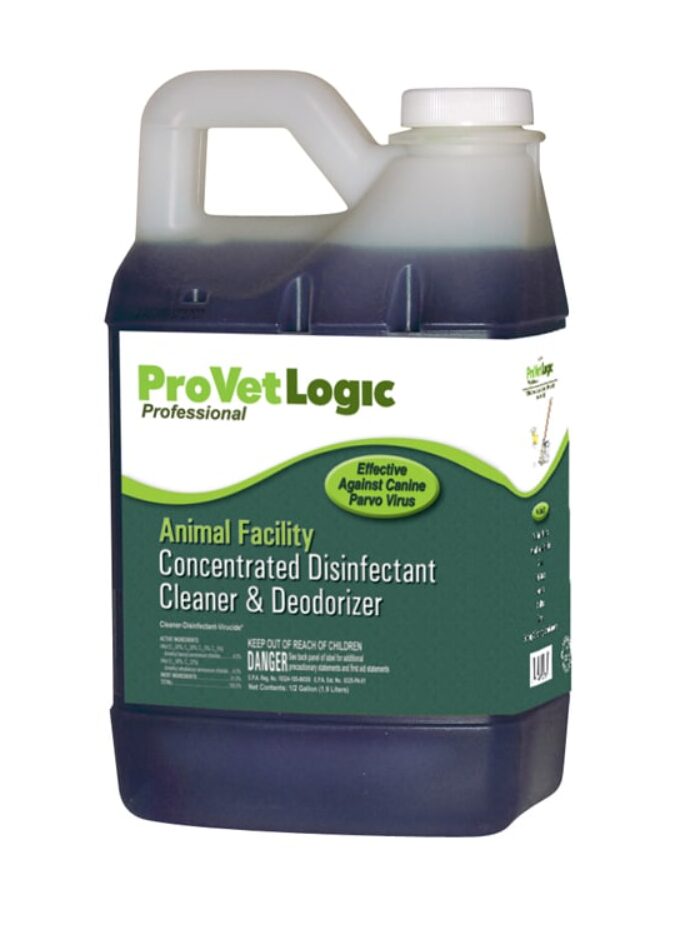
For expert assistance with parvovirus decontamination and prevention protocols, Contact us today. Our specialized team understands the critical importance of proper disinfection in animal care facilities. Explore our ProVet Logic products here that are designed specifically for veterinary and kennel environments.