
 Large Animal Care – Preventing Disease Spread in Equine & Large Animal Environments
Many disease agents including bacteria such as Streptococcus equi (which causes strangles), salmonella, viruses, and parasites can remain in barns for considerable time. They harbor in horses themselves, in fecal and organic matter ground into wood and cement, in soil and substrate, and in rodents and birds living in barns. Handlers can also carry diseases such as salmonella or methicillin-resistant Staphylococcus aureus (MRSA) or carry agents on clothing and shoes.
Personal Hygiene:
Since handlers can carry disease-causing agents, Kentucky Cleaning Solutions recommends dedicating boots, clothing, and tools for specific barn or location use. If not possible, clean boots and tools before entering premises.
Boot & Tool Cleaning Protocol:
- Scrape to remove heavy soil
- Apply enzymatic cleaning solution (2-4 ounces per gallon of water)
- Agitate surface to remove heavy soil buildup
- Allow solution to stand for 3-5 minutes
- Thoroughly rinse the item
- Allow item to air dry
Hand Washing:
Hand washing stations should be strategically located around barns to encourage frequent hand cleaning. Thorough hand washing with soap is adequate in most cases but not always practical in areas with limited water access. Waterless hand sanitizers offer good alternatives when soap and water aren’t available. We recommend non-alcohol hand sanitizers versus alcohol-based when multiple daily cleanings are required, as alcohol tends to dry skin faster.
When Should You Wash Your Hands?
- When coming on duty
- Between all breaks in procedures
- Before performing new procedures
- Before equipment preparation
- Before and after eating
- Before donning gloves and after removing gloves
- Before and after using restroom
- When moving from contaminated to clean procedure sites
- After touching likely contaminated inanimate objects
- When hands are soiled (after sneezing, coughing, or blowing nose)

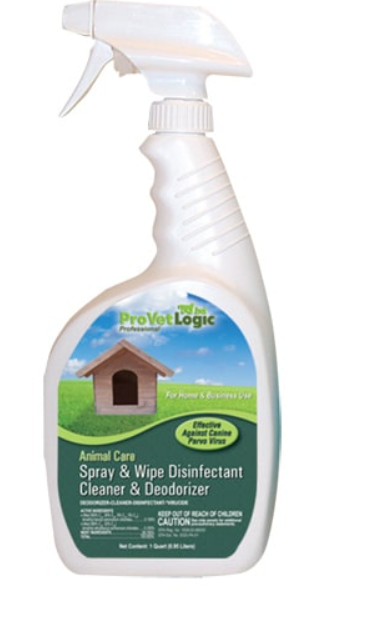
Cleaning Barns and Stalls – Products & Process:
The number one rule for disease control is cleaning. Clean means surfaces are free of dirt and organic matter such as manure. The process includes removing all manure and feed, followed by washing, scrubbing, and rinsing all surfaces, then using disinfectant. Thorough cleaning removes most contamination and allows disinfectants to penetrate surfaces and kill microorganisms.
Organic material presence (including bedding, manure, and other embedded soils) interferes with disinfectant action and effectiveness. Research published in Applied and Environmental Microbiology shows that organic matter significantly reduces disinfectant efficacy, with proper pre-cleaning essential for effective pathogen elimination. Disinfectants don’t have an inherent chemical ability to break down organic matter.
Although thorough cleaning is essential, it can be difficult in many barns due to extremely porous surface materials such as wooden walls, dirt floors, and lack of drains.
The Protocol:
Always remove animals, food and water dishes, bedding, etc. before implementing cleaning protocol.
Organic Soil Removal:
- Remove and discard soiled bedding, manure, and other soil
- Pick up and remove rubber mats
- Rinse floor toward drain to remove urine and heavy soil
- Mix enzymatic cleaning solution following label instructions; apply using hose-end sprayer or foam applicator
- Apply solution head-high and work down and out covering entire surface
- Agitate surface to remove heavy soil buildup
- Allow solution to stand for 3-5 minutes
- Rinse, brush, or squeegee solution toward drain or runout
- Remove puddles before applying new bedding and/or reintroducing animals
- Apply solution to rubber mats, scrub, allow 3-5 minute stand time, and rinse
Disinfecting Protocol:
Studies published in veterinary literature demonstrate that proper disinfection protocols following thorough cleaning achieve significant bacterial load reduction on equine facility surfaces when contact time and dilution rates are properly followed.
- Complete organic soil removal protocol and allow surfaces to air dry
- Mix disinfectant solution (typically 1 ounce per gallon of water)
- Apply solution to all animal and human touch points, tools, equipment, and footwear
- Allow surface to air dry (DO NOT RINSE)
Synthetic Cleaning Tools:
We recommend synthetic, one-piece cleaning tools versus tools with moisture-absorbing wood handles and natural bristle brushes. Materials that absorb water can also absorb disease-causing microorganisms.
Safety Precautions:
- Always wear protective gloves when using cleaning chemicals
- Always wear protective goggles when applying cleaning solutions above eye level
- Wash hands thoroughly
Kentucky Cleaning Solutions understands the unique challenges of maintaining large animal facilities. Our team specializes in barn cleaning, stable maintenance, and comprehensive sanitation protocols designed specifically for equine and large animal environments. We provide both products and services to keep your facility clean, safe, and healthy for animals and staff. Contact us today to discuss customized solutions for your facility.