
Marek’s Disease Protocol
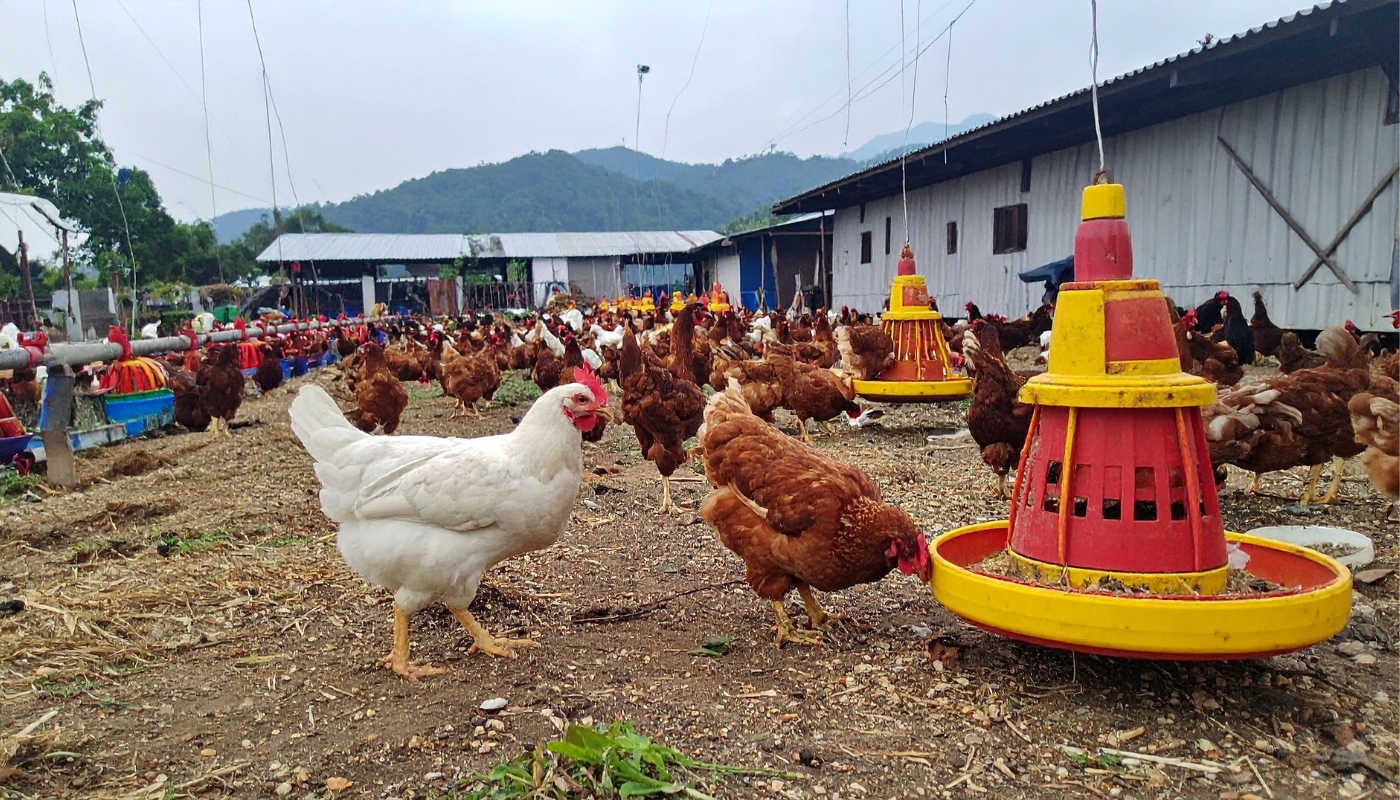
Marek’s disease was first described over 80 years ago as a condition causing paralysis of legs and wings due to nerve inflammation, then known as fowl paralysis. In the 1920s and 1930s, associations with internal tumors in organs such as liver, spleen, kidneys, and lungs were established. Research published in Avian Diseases indicates that Marek’s disease virus can persist in poultry house dust and dander for extended periods, making thorough facility cleaning essential.
Protocol:
An effective Marek’s disease cleaning protocol comprises four specific steps: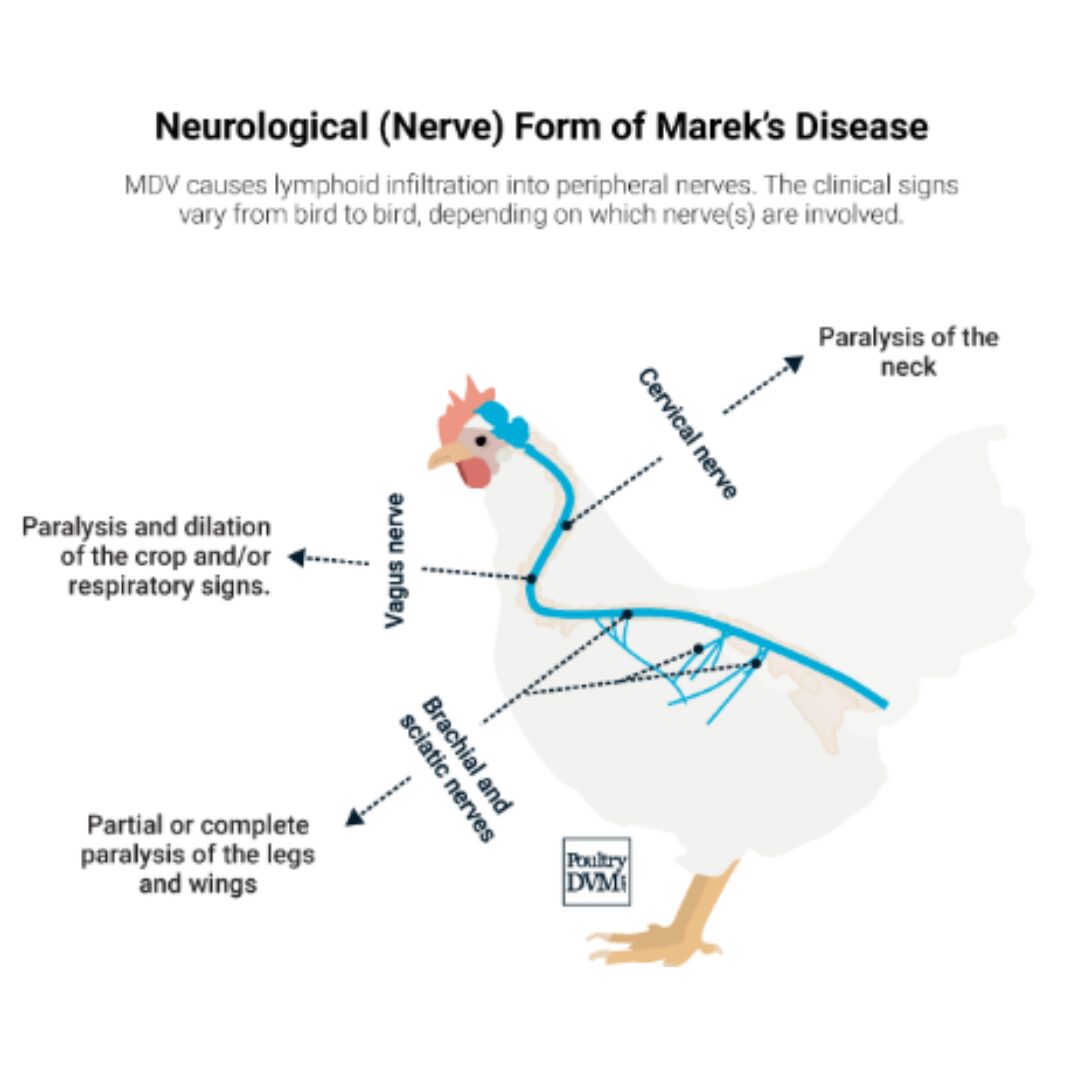
Step 1: Equipment Removal and Dry Cleaning
- Remove residual food from feeder systems and silos
- Remove all moveable equipment
- Blow or wash down all surfaces to remove dust from ceilings, ledges, water pipes, fan boxes, and inlets
- Remove all litter using scrapers and remove loose debris from ceilings and floors
- Load litter onto covered wheelbarrows, ensuring all outside areas are cleared
- Clean and blow down or wash bulk feed bins before disinfecting
Step 2: Water System Cleaning and Disinfection
- Isolate header tank at main inlet, check for debris, then drain entire system
- Fill tank with water and appropriate disinfectant concentrate
- Allow disinfectant to fill system to farthest drinker points and leave for one hour
- Thoroughly flush lines with clean water; repeat if scale and biofilms remain
- Refill header tank with clean, fresh water
Step 3: Building and Equipment Cleaning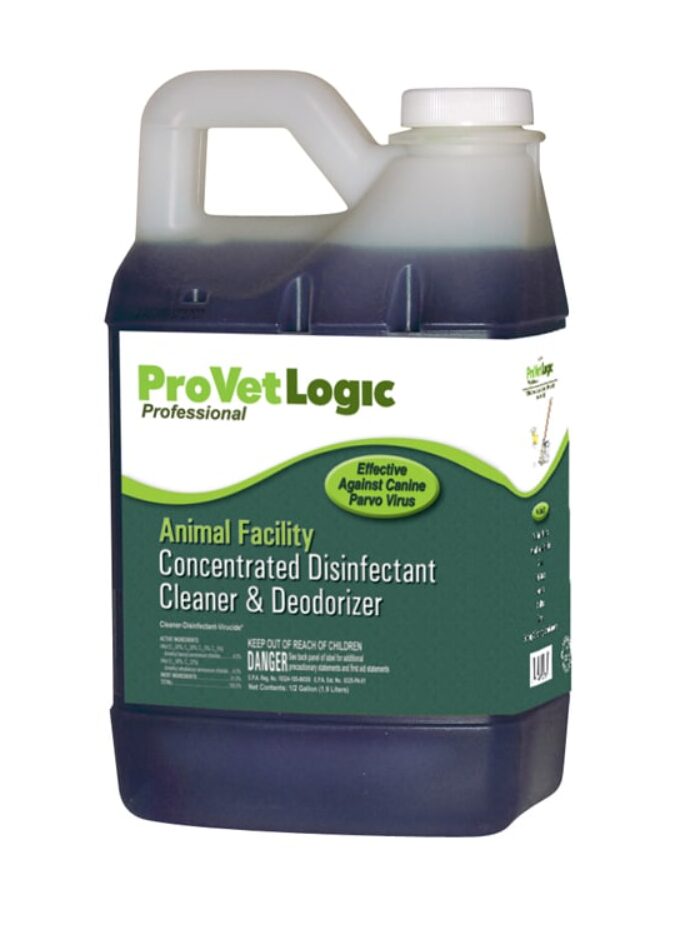
Thorough washing is essential to soak and dislodge organic material for best disinfection results. Studies published in Poultry Science demonstrate that comprehensive cleaning and disinfection protocols combined with adequate downtime between flocks significantly reduce viral contamination in poultry facilities.
- Apply enzymatic cleaner to all surfaces using foam gun applicator, including partitions, feeders, drinkers, and equipment
- Include service/utility rooms before rinsing with clean water
- Spray air inlets and deposits around fan boxes and loading areas
- Ensure all dirty areas including concrete walkways and bulk bin pads are cleaned
- Soak all internal surfaces thoroughly with enzymatic solution
- Leave for 3-5 minutes, then rinse with clean water
- Ensure all surfaces and equipment are visibly clean before moving to disinfection
Step 4: Disinfection
- Use appropriate disinfectant at proper dilution (typically 1 ounce per gallon)
- Use foam gun applicator to disinfect all equipment removed from building
- Place equipment back in cleaned building before disinfecting the house itself
- Apply disinfectant solution evenly to all washed internal surfaces for thorough wetting
- Pay particular attention to corners, cracks, and seams, ensuring all sides of supporting posts are covered

- Spray into roof apex and work down walls to floors
- Working from one end to the other, apply disinfectant to building floor
- Upon completion, close all doors and place disinfectant footbaths at all entrances
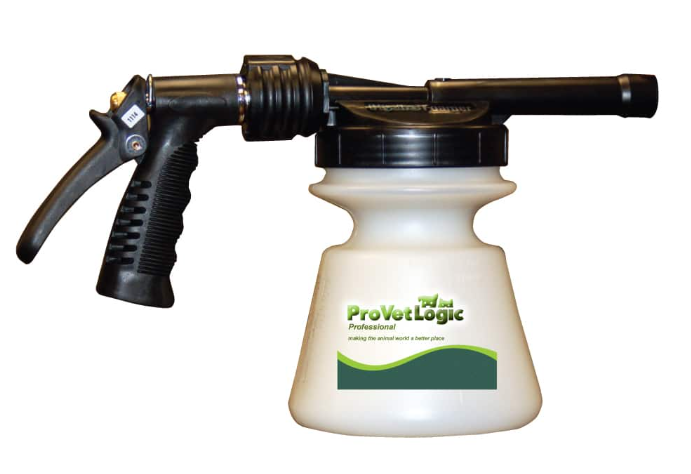
Kentucky Cleaning Solutions specializes in comprehensive poultry facility sanitation protocols. For professional assistance with Marek’s disease prevention and facility decontamination, contact our experienced team. We provide customized cleaning solutions for agricultural and commercial poultry operations. Learn more about our ProVet Logic products here.