

How to Prevent Coccidia Spread in Dog Kennels and Animal Facilities
Coccidiosis is an infection with a one-celled organism called coccidia. These are microscopic parasites that live within intestinal lining cells. Because they cause diarrhea, they’re often confused with worms, but coccidia are protozoa, not worms. Research published in Veterinary Parasitology shows that coccidia infection rates in kenneled dogs can reach 36% in some facilities, particularly where cleaning protocols are inadequate.
How Dogs Become Infected:
Oocysts (immature coccidia) are passed in dog stool and lie in the environment, maturing into infectious forms within 6 hours to 10 days. Dogs become infected by swallowing sporulated oocysts. A study in veterinary parasitology indicates that Isospora oocysts can remain viable in the environment for extended periods under favorable conditions, making environmental management critical. Other dogs, cats, or mice m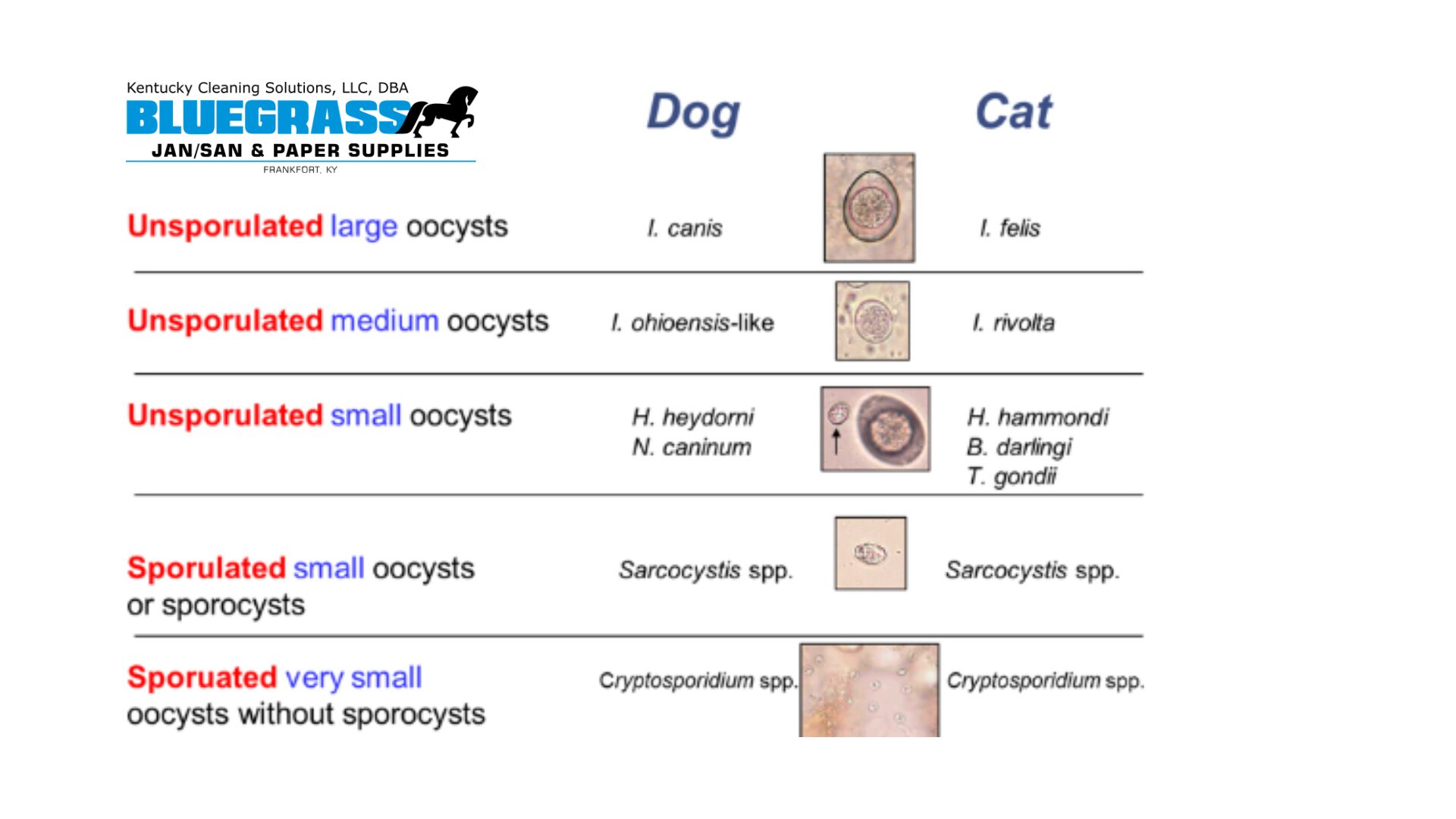 ay also become infected, and dogs can be infected by eating infected mice.
Are Disinfectants Effective Against Coccidiosis?
No, standard disinfectants don’t offer efficacy against Coccidia or other parasites like Giardia.
Here’s Kentucky Cleaning Solutions’ recommended protocol using ProVetLogic products:
Step 1: Animal Preparation Bathe the infected dog to remove any fecal traces from the coat. Rinse well and isolate until the infection is completely resolved.
Note: Remove all animals, food and water dishes, bedding, blankets, and toys before starting the cleaning process.
Step 2: Debris Removal Sweep floors thoroughly to remove all debris and hair that may be contaminated. Ensure no fecal matter remains. Thoroughly clean and wash all bedding and blankets.
Step 3: Enzymatic 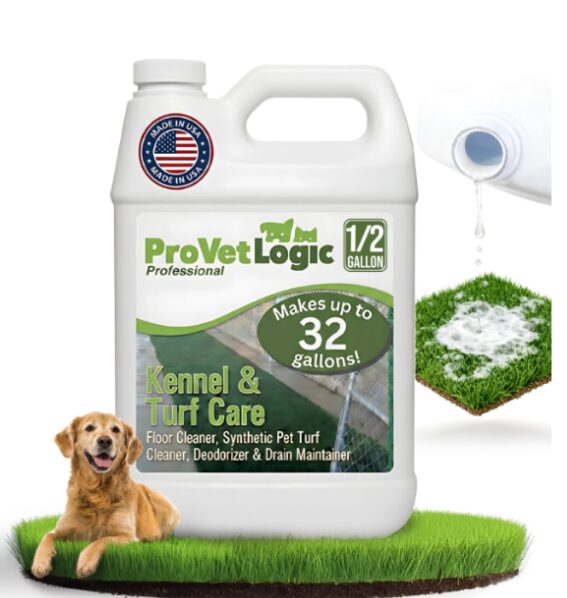 Treatment Apply an enzymatic cleaner solution (2-4 ounces per gallon of water) to floors, walls, synthetic pet turf, exterior substrate, and all surfaces touched by humans and animals. Using a hose-end foam sprayer allows the solution to cling to vertical surfaces. This enzymatic treatment degrades organic matter to help remove biofilm, which harbors Coccidia and other disease-causing organisms.
Additional Precautionary Steps:
a) Wear dedicated footwear for your facility to minimize parasite spread
b) Wear protective gloves when handling infected animals; change gloves between animals
c) Clean and sanitize all dishes, toys, and cleaning tools including brooms, brushes, squeegees, and mops
For professional deep cleaning services that effectively address parasitic contamination, Contact us today. We specialize in protocols designed specifically for animal care environments. Learn more about our comprehensive ProVet Logic products.