
Bulletin 1: Baylisascariasis – Raccoon Roundworm Infection
Background:
Baylisascariasis (bay-liss-AS-kuh-RYE-a-sis) is a disease caused by a parasitic roundworm commonly found in raccoons. While raccoons are the primary host, other animal species can be affected. Adult worms infest intestines and lay millions of eggs, which are shed in feces. Once ingested, eggs hatch into larvae that migrate through various organs, causing damage to tissues including the liver, heart, lungs, brain, and eyes.
Impact on Animals and Humans:
Over 90 species of mammals can become infected with B. procyonis, including raccoons, dogs, rabbits, rodents, birds, and non-human primates. Research published in Emerging Infectious Diseases shows that up to 82% of adult raccoons in some geographic areas are infected with Baylisascaris procyonis, making environmental contamination a significant concern. Animals become infected by ingesting eggs found in the environment or by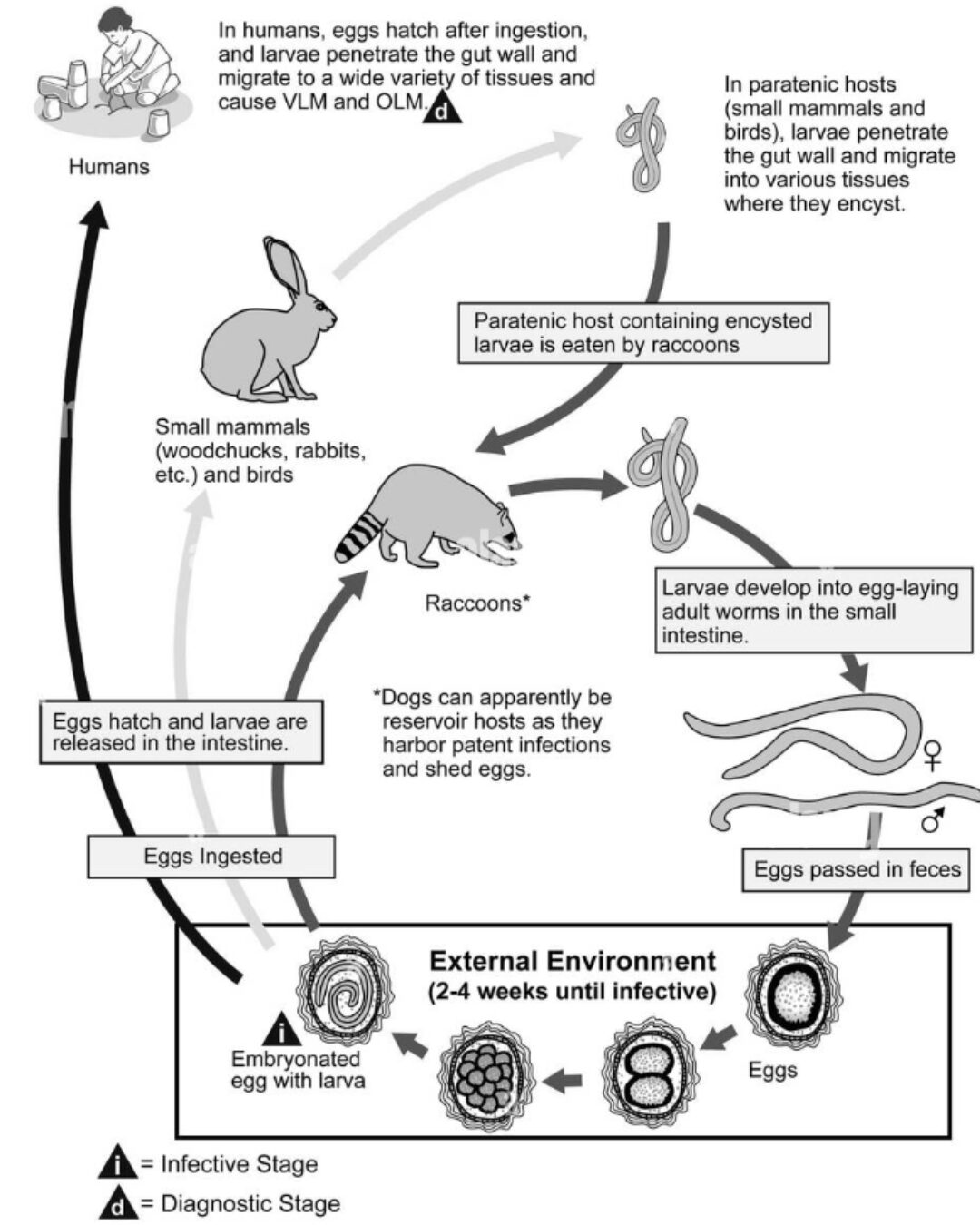 eating infected animals.
Although rare in humans, cases have been severe. A study in Clinical Microbiology Reviews found that among documented human cases, the majority resulted in severe neurological damage, with 64% severe neurologic sequelae and 28% resulting in death from neural larva migrans.
Prevention:
Avoid contact with raccoon feces or contaminated areas. Keep sandboxes covered when not in use. Washing hands after outdoor activities is essential for preventing several diseases.
Cleaning Protocol:
Kentucky Cleaning Solutions recommends the following when cleaning contaminated sites:
- Wear disposable gloves to prevent cross-contamination
- Wear an N95-rated respirator in confined spaces
- Avoid stirring up dust and debris
- Wear rubber boots or disposable booties
- Remove and properly dispose of contaminated materials (wood chips, brush, etc.)
- Remove loose substrate down to hard surfaces
 Surface Treatment:
- Remove and discard all loose substrate and materials down to hard-pack surface
- Apply an enzymatic cleaning solution to entire floor surfaces and structures
- Allow solution to soak for 3-5 minutes
- Rinse, brush, or squeegee all standing moisture
- Allow surfaces to dry thoroughly
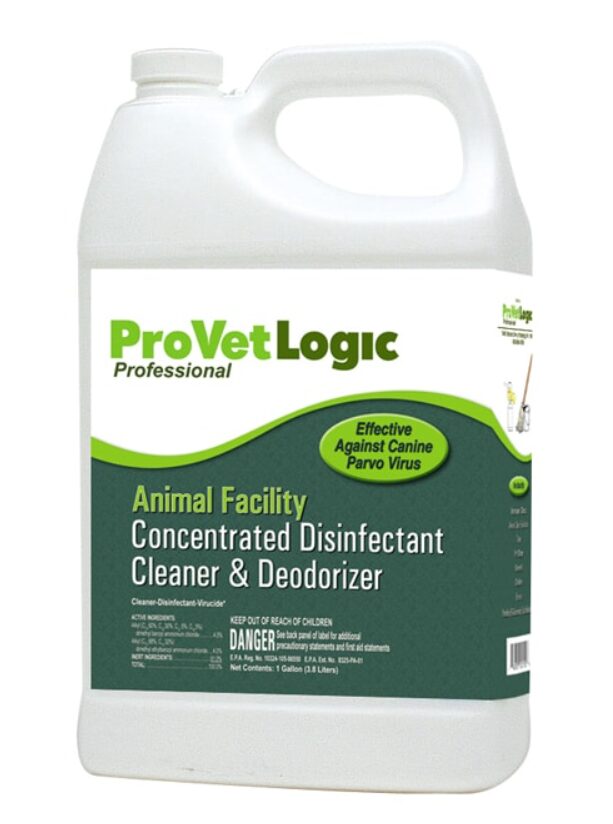
- Apply a disinfectant solution to all surfaces and touch points at proper dilution
- DO NOT RINSE – allow surfaces to air dry before replacing materials
- Clean all tools, boots, and equipment used in the process
For professional assistance with contaminated area cleanup, contact Kentucky Cleaning Solutions. Our team specializes in safe, effective decontamination protocols for animal care facilities.
Key Points:
Dogs may be infected but show no symptoms. Have all pets dewormed under veterinary supervision. Raccoons aren’t the only hosts – kinkajous and coatis may also be susceptible. Learn more about our ProVet Logic products to keep your facility safe.